
In brief
- Temperatures: 14-17°C during the day, rarely below 10°C at night.
- Rain: frequent but rarely continuous — brief showers, multiple clearings.
- Advantages: lower prices, few tourists, powerful waterfalls, magical misty ambiance.
- Limits: some sea outings cancelled, inter-island flights sometimes delayed, beaches not inviting.
- Recommended island: São Miguel, best equipped for the low season.
We spontaneously associate the Azores with summer, whales, hikes under a temperate sun. That overlooks the archipelago’s second season, much less busy, which offers a completely different face: dense mist on the ridges, waterfalls swollen by rains, raking late-day light, affordable accommodations. Azorean winter is not the bad version of summer; it is a different experience worth considering.
This guide covers what to expect, what you gain, what you lose, and how to plan a successful winter trip to the Azores.
The real winter climate
The Azores, at 39° north latitude (same as Madrid), enjoy a subtropical oceanic climate. Winter temperatures are very mild by European standards: 14 to 17°C during the day, rarely below 10°C at night. It never freezes at sea level. Snow falls only rarely, and only at altitude (Mount Pico, São Jorge ridges).
Rain is the real variable to anticipate. November, December and January are the wettest months, with 15 to 18 rainy days each. But beware: it is rarely continuous rain. The typical regime alternates brief showers with long clearings. It may rain in the morning, clear up in the afternoon and start again at sunset. Azoreans say you can have four seasons in a single day.
Wind is more present than in summer, at times downright strong. The Atlantic storms sweeping the region between December and February can disrupt life on the archipelago for a few days.
The main winter advantages
Significantly lower prices. Accommodation, car rental, activities: count 20 to 40% savings versus summer high season. Some high-end hotels halve their rates in January-February.
Almost total absence of tourists. You will have Sete Cidades, Furnas, the Lagoa do Fogo to yourself or close to it. The experience is radically different from July-August.
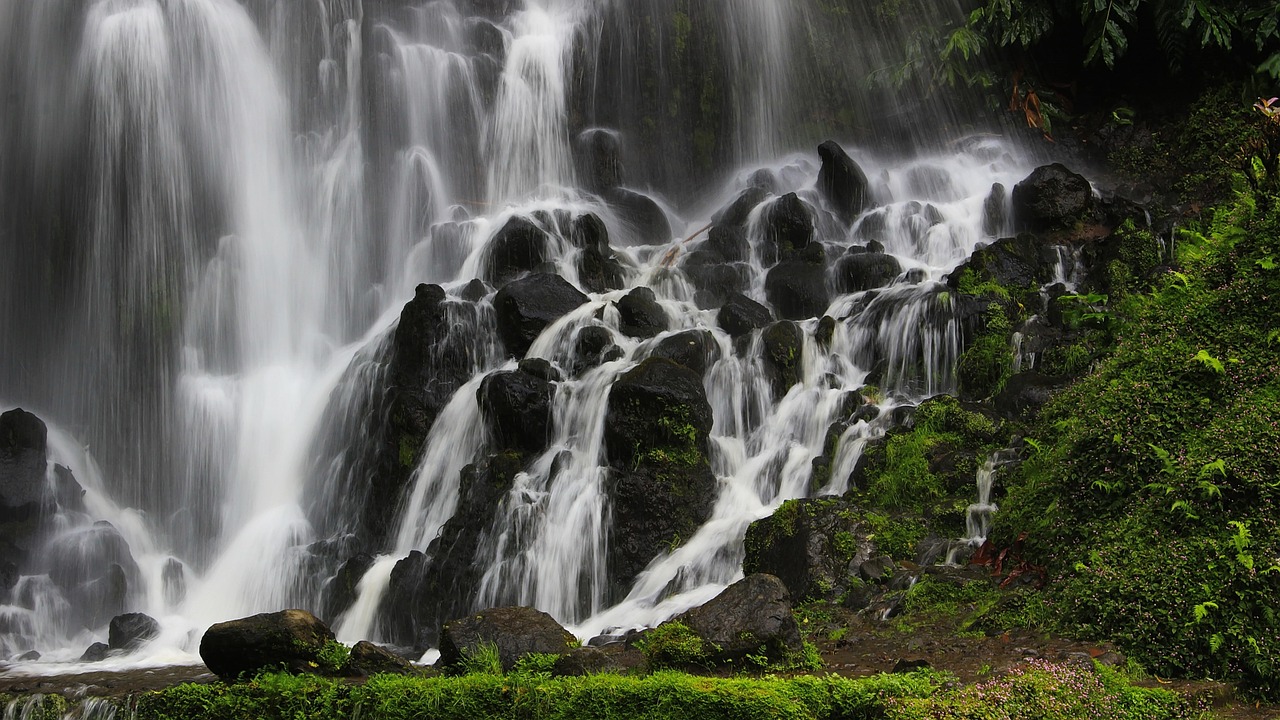
Waterfalls at full power. The falls along inland cliffs, sometimes reduced to a trickle in August, are spectacular in winter. The Ribeira dos Caldeirões in São Miguel or the plateau waterfalls of Flores reach their peak.
Unique photographic light. The contrasts between mist, piercing rays and vivid green mosses on black stones create scenes you will not find in summer. This is the photographers’ favourite season.
Amplified thermal springs. The pleasure of a 38°C bath in the cool December air, with vapour rising above the water, is incomparable. Furnas makes perfect sense in winter.
Gastronomy without queues. Restaurants are available without booking, kitchens work in tranquillity. The cozido das Furnas, the perfect winter dish, is eaten in a more intimate atmosphere.
The limits to know
Unpredictable sea outings. Whale watching operates in winter but cancellations for rough seas are frequent (30 to 40% of scheduled departures). Several operators simply close between November and March. Sperm whales remain but the great rorqual migrations have not yet begun.
Uncertain inter-island transfers. SATA flights and ferries can be cancelled in heavy swell or wind. Always plan a buffer day before an international return flight.
Beaches and swimming. Water is at 16-17°C, beaches often wind-swept. Ocean swimming is for the brave. Thermal pools amply compensate.
Some seasonal activities. Surfing is active (in fact the best season for big waves), but canyoning and some exposed treks are suspended.
Limited local attendance. Some countryside restaurants close in low season. Check before leaving to avoid disappointment.
How to plan a winter trip
Favour São Miguel. It is the island best equipped with indoor restaurants and activities (museums, baths, tea plantations) and the best connected to Europe if weather goes sideways. A base in Furnas is ideal: combine hot baths, short walks and excellent tables.
Recommended length: 5 to 7 days. Beyond that the risk of consecutive rainy days rises and can weigh on morale. A shorter, more intense stay works well.
Activities to plan: Furnas and Terra Nostra, visit to the Museu Carlos Machado in Ponta Delgada, tea and liqueur tastings, walk in Angra do Heroísmo (Terceira), fine gastronomic tables.
Activities to keep as a backup: a flex day to squeeze in a hike between two rains or a whale trip on the first clear day.
Packing: warm but breathable clothes, hooded waterproof jacket (mandatory), waterproof shoes, fleece, a dressy outfit for restaurant evenings. A swimsuit for the baths.
Storms and microclimates
Serious Atlantic storms (winds > 100 km/h, torrential rain) hit 3 to 5 times per winter. They last 24 to 48 hours generally. Stay indoors on those days — trails are closed, coastal roads may be cut. A good hotel with a fireplace and library is the ideal refuge.
Between two storms, stunning days follow: generous sunshine, scrubbed skies, extreme visibility. These rare days are unforgettable and often justify the trip.
Frequently asked questions
Are the Azores worth it in winter?
For a traveller after tranquillity, photography, hot springs or renewal, yes, absolutely. For a traveller wanting whales, beaches and guaranteed sunshine, no: stick to May-September.
Is it cold in the Azores in January?
No, temperatures range from 11 to 17°C. Rain and wind can feel cooler, but it is not cold by European standards.
Are flights to the Azores cancelled in winter?
Rarely on departure/arrival at international airports (Lisbon, Porto). Inter-island flights are more vulnerable to local weather.
Can you see whales in winter?
Yes, sperm whales are present year-round, but trips are more uncertain and less frequent between November and March.