
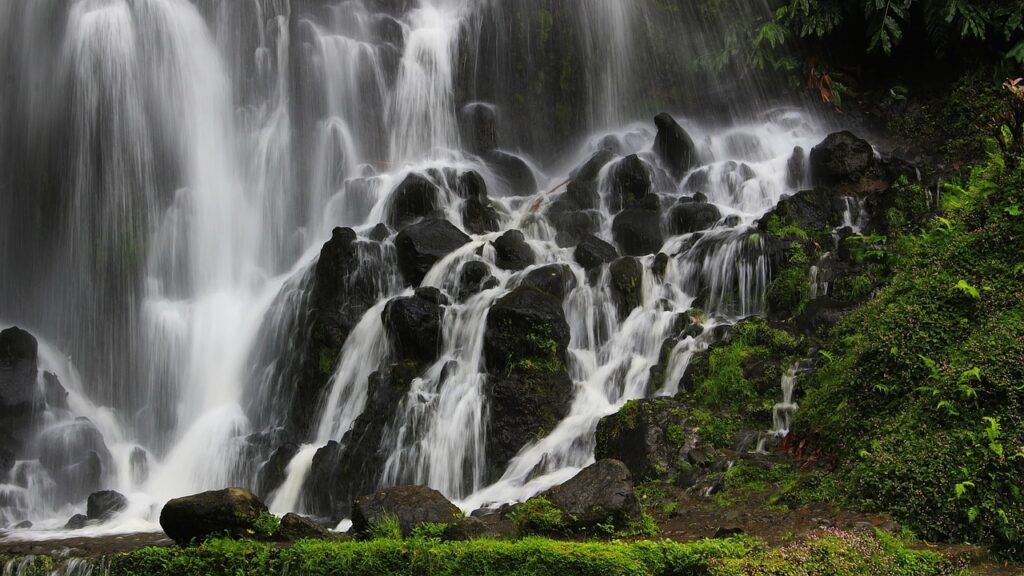
The Azores in winter: why travel between November and March?
Visiting the Azores in winter is a different and magical experience: waterfalls in full flow, dramatic mists, few tourists, lower prices. Our guide to enjoying the archipelago off-season.

Visiting the Azores in winter is a different and magical experience: waterfalls in full flow, dramatic mists, few tourists, lower prices. Our guide to enjoying the archipelago off-season.
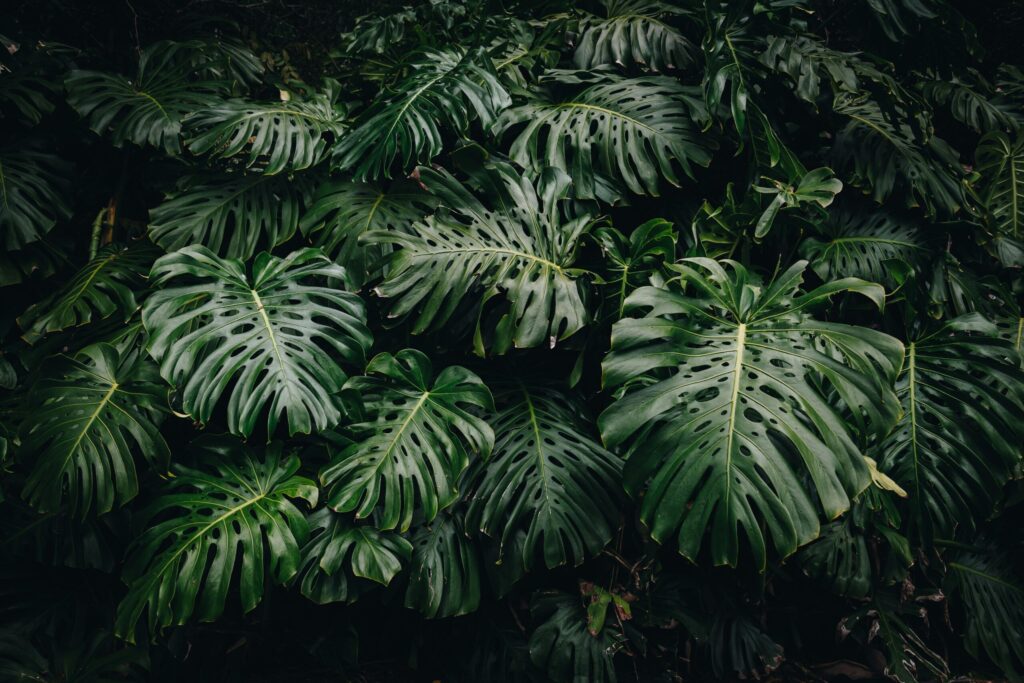
The Azores are an ideal family destination: safe, minimal jet lag, nature accessible to children, varied activities. Our complete guide to prepare your trip with kids.
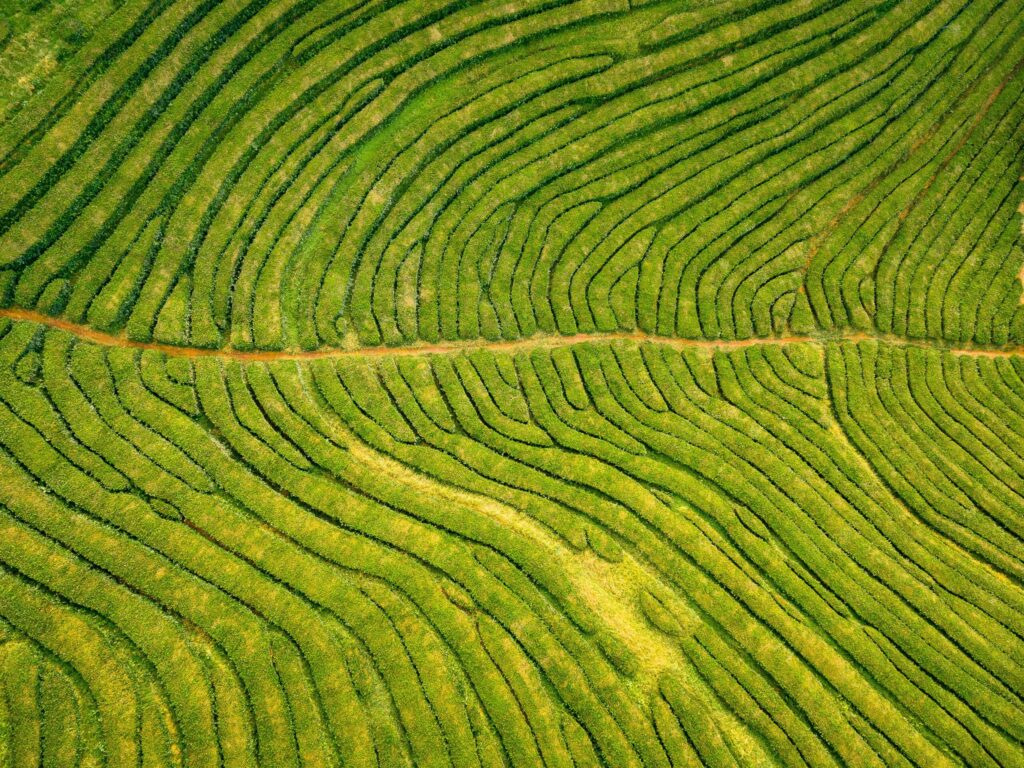
São Miguel or Terceira for your Azores trip? Detailed comparison of nature, heritage, gastronomy, accessibility and budget. Our guide to help you decide.
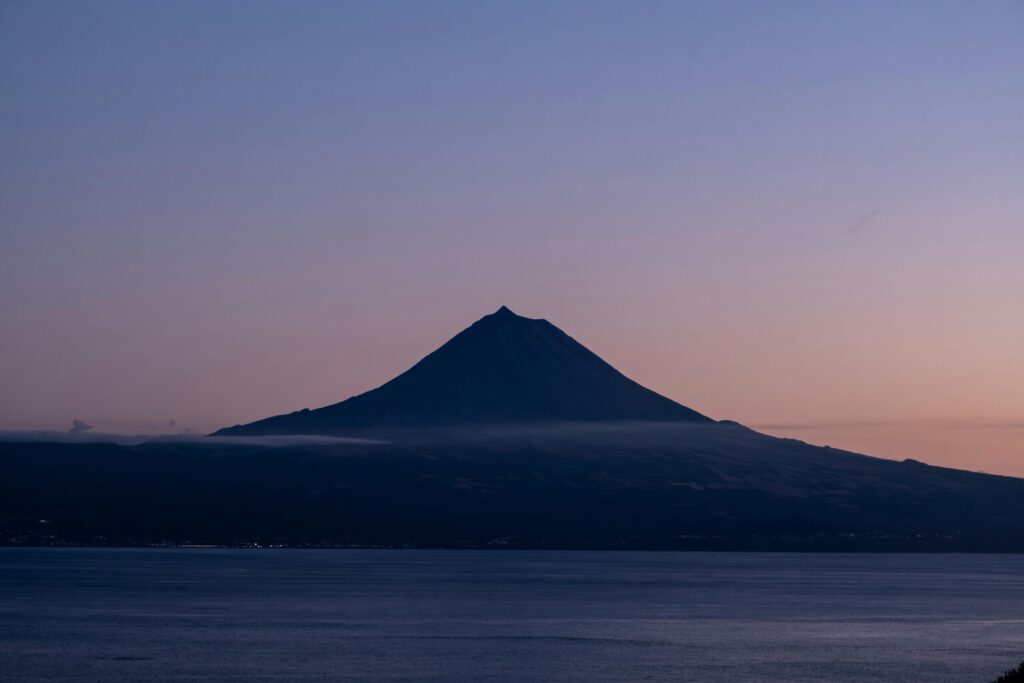
Pico’s vineyards are a UNESCO World Heritage site. Lava currais, Verdelho, Madalena cellars: everything to know about the most singular wine of Atlantic Portugal.
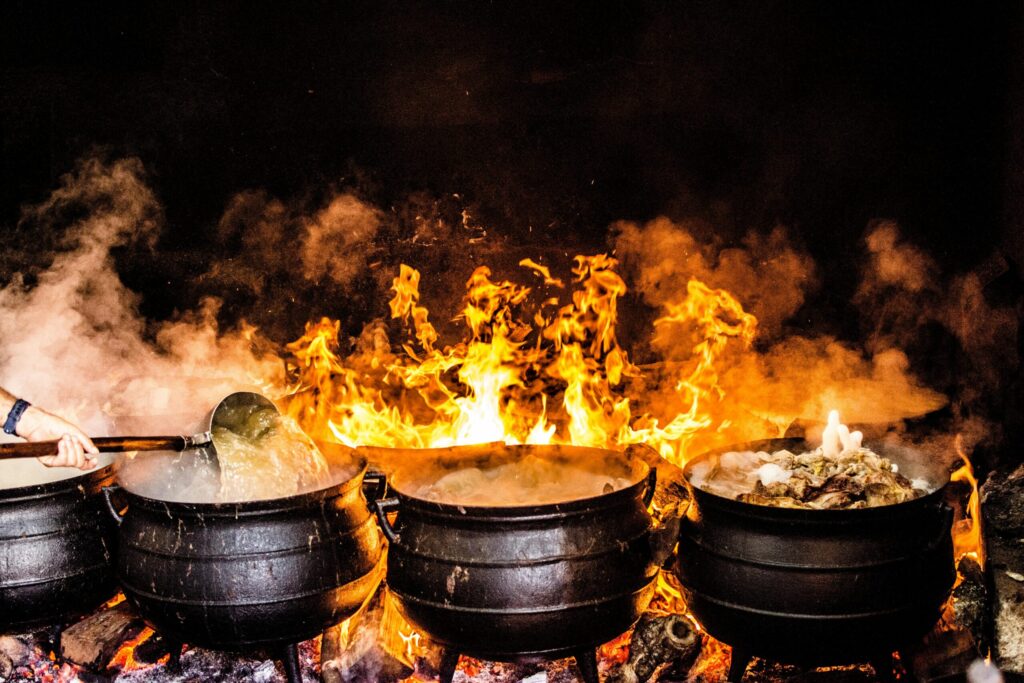
Furnas is the thermal heart of the Azores. Terra Nostra, Poça da Dona Beija, boiling fumaroles and cozido cooked underground: everything you need to know to fully enjoy this geothermal village.
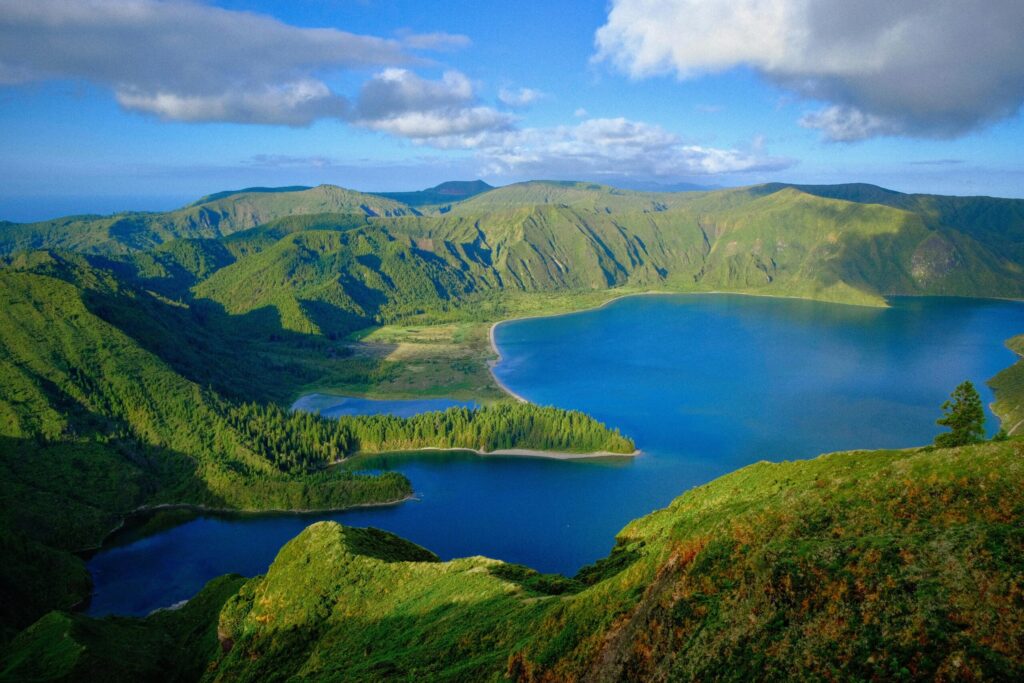
The hike around the Sete Cidades crater on São Miguel offers the most stunning panoramas of the Azores. Full loop, shortcuts, best viewpoints and practical tips to make your day a success.
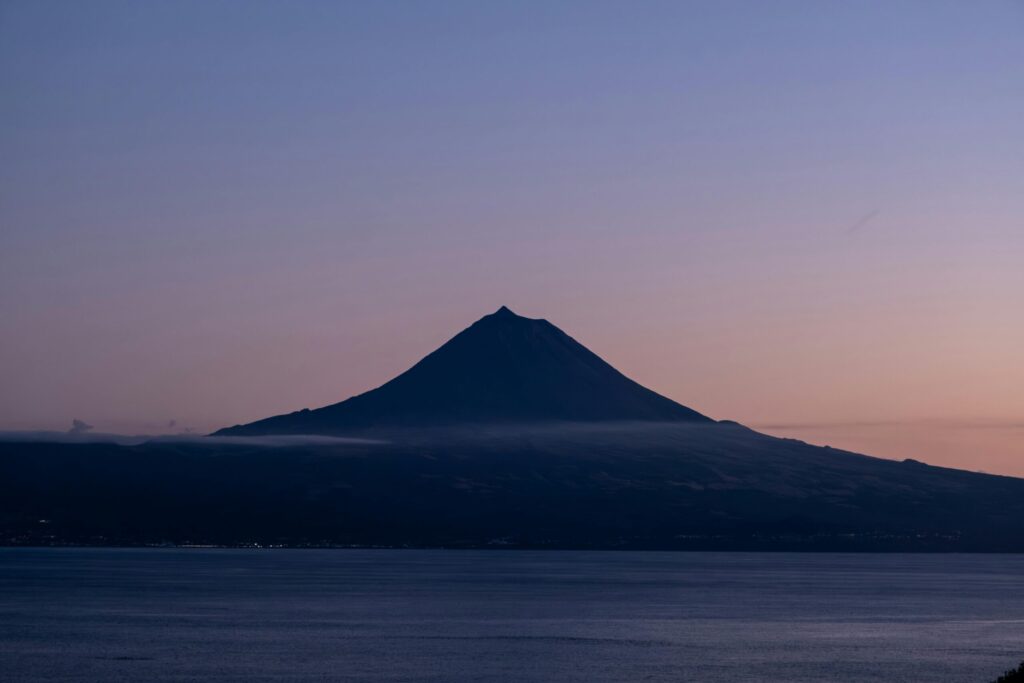
Pico is the best whale watching spot in the Azores. Sperm whales, fin whales, common dolphins: when to go, with whom, how to prepare for a truly memorable encounter.
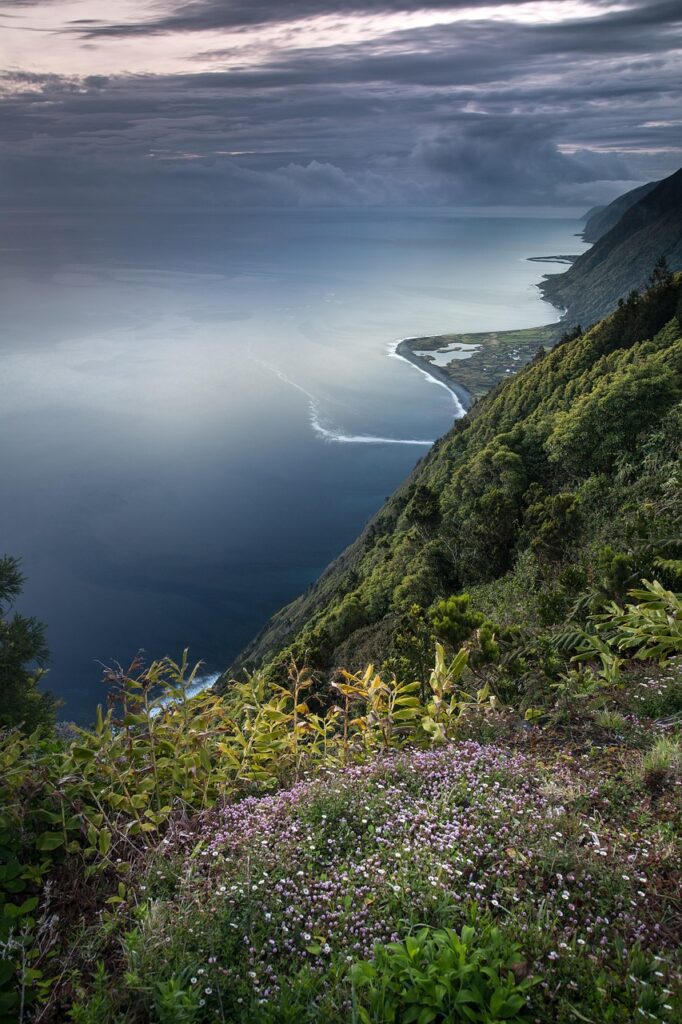
Which Azores island should you pick for your first trip? São Miguel, Pico, Terceira, Faial, São Jorge, Flores… Our detailed guide to find the island that matches your traveller profile.
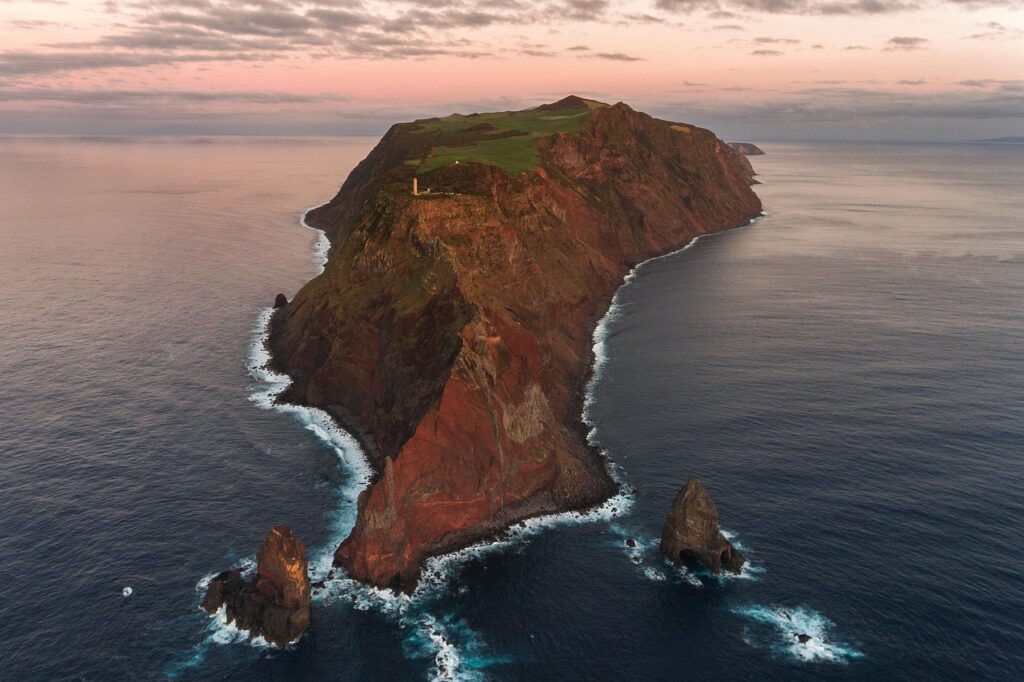
How many days do you need to visit the Azores? Between 5 and 14 days depending on your goals, the number of islands and the pace of your trip. Our complete guide to sizing your Azores journey.