
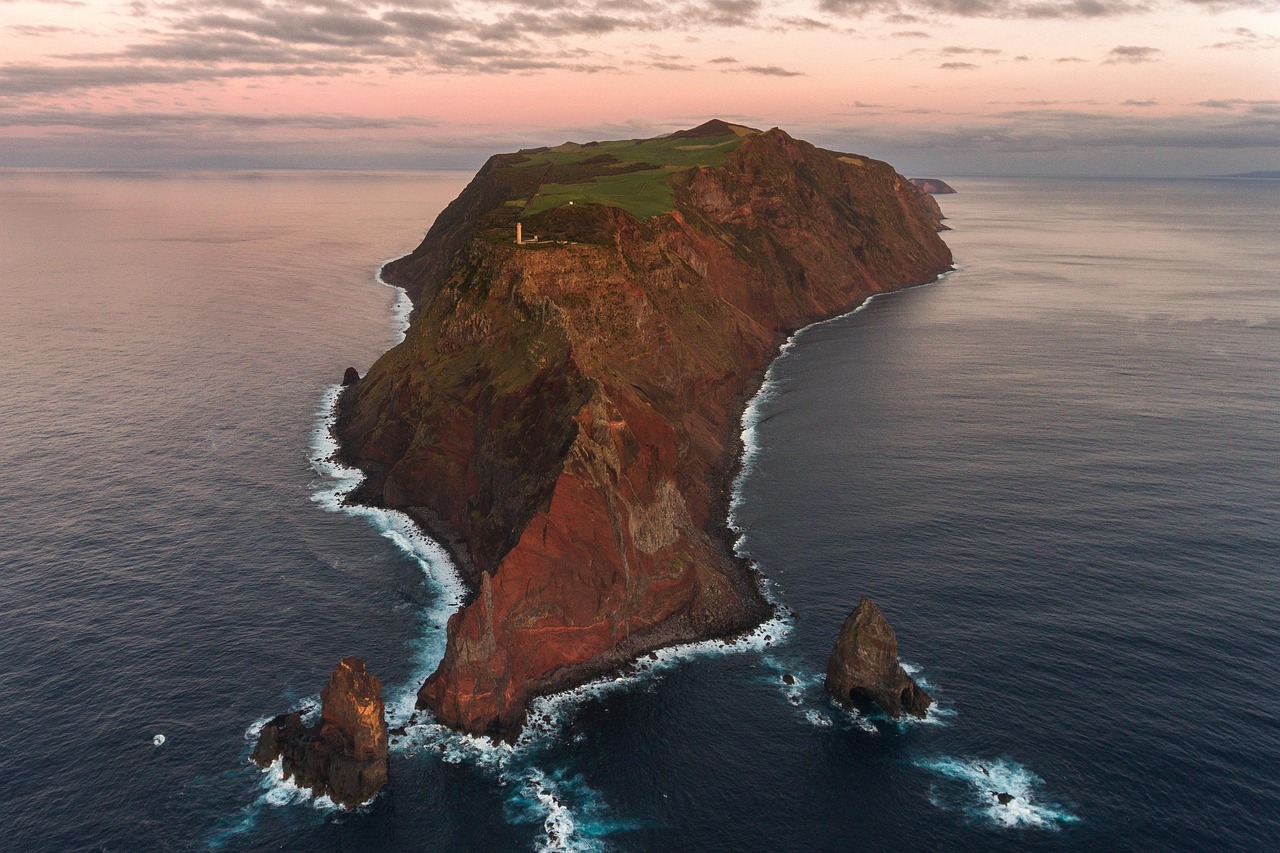
Travelling to the Azores means accepting to be surprised. 1,500 kilometres from continental Europe, this Portuguese archipelago of nine volcanic islands resembles no Mediterranean destination, nor any other Atlantic archipelago. Its subtropical mildness, its morning mist on the ridges, its crater lakes, its vertiginous waterfalls and its silence: everything contributes to a singular experience. But because the islands stretch over 600 kilometres of ocean and each holds its own identity, a trip to the Azores must be planned — that is what this guide does, with the honesty of a team living the ground every day.
Why choose the Azores?
Reasons vary by traveller, but a few come up invariably. First, the preserved nature: the archipelago has built its tourism around respect for landscapes and the living. No disfiguring hotel chains, no mega-resorts, no massive crowds — except in São Miguel in high summer. Then, the diversity of experiences: hiking around volcanic craters, watching sperm whales, bathing in hot springs, tasting wines from vines planted on lava, meeting living rural traditions. Finally, the accessibility: under three hours’ flight from Lisbon, no jet lag, reasonable prices for accommodation and food, and impeccable safety.
The Azores speak to travellers seeking something other than a classic beach destination. Hikers, nature lovers, photographers, wine enthusiasts, families wanting gentle adventures, couples seeking a change of scene without logistical fatigue: each finds their island and their rhythm.
Which island to choose?
The archipelago counts nine islands in three groups. The eastern group (São Miguel and Santa Maria) is closest to the continent; the central group (Terceira, Graciosa, São Jorge, Pico, Faial) gathers the islands nearest to each other; the western group (Flores and Corvo) is the most remote, over 200 kilometres from the central group.
- São Miguel — The largest, most complete, most recommended for a first trip. Sete Cidades, Furnas, tea plantations, whales.
- Santa Maria — The sunniest, the only one with real sandy beaches. Discreet and gentle.
- Terceira — The historic island. Angra do Heroísmo is UNESCO-listed, and the Sanjoaninas (June) are one of the largest popular festivals in Portugal.
- Graciosa — The peaceful UNESCO Biosphere Reserve. Windmills and underground caves.
- São Jorge — The most secret. Its fajãs, coastal plateaus reachable only on foot, form a sanctuary for hikers.
- Pico — The volcano, UNESCO vineyards, and the world’s best sperm whale watching spot.
- Faial — The blue island, cosmopolitan, with its famous Horta marina and summer hydrangeas.
- Flores — The most spectacular. Vertiginous waterfalls, suspended lagoons, lush nature.
- Corvo — The smallest (430 inhabitants), the most confidential. A caldera-island out of time.
How many days to plan?
Ideal duration depends on the number of islands and the pace sought. A simple rule: count at least 5 full days for one island, 7 days to combine two, 10 to 14 days for the São Jorge / Pico / Faial triangle or a grand tour of 4-5 islands, 21 days to include Flores and Corvo.
- 5 days: São Miguel in depth (safest choice for a short first trip).
- 7 days: São Miguel + a second island (Terceira, Pico or Faial).
- 10 to 14 days: the central triangle São Jorge / Pico / Faial, or a 4-5 island circuit.
- 3 weeks: the full archipelago, Flores and Corvo included.
Systematically add a half-day per inter-island transfer and plan a buffer day per week to absorb weather contingencies. See our complete article on ideal duration.
When to visit the Azores?
The subtropical oceanic climate of the Azores offers mild temperatures year-round (10 to 25°C), but rainfall remains a structuring variable. Here is the simple grid:
- April to June: the best balance for flora, hydrangeas, migrating great rorquals. 15-22°C, moderate rain.
- July to September: dry and warm summer (22-28°C), sea at 22°C, maximum attendance in August. Ideal for swimming and Pico ascent.
- October to November: mild autumn, more frequent rain but waterfalls at full power. Very low attendance, lower rates.
- December to March: wet and windy winter, 12-17°C. Favour for hot springs, photography, total tranquillity. See our winter Azores guide.
How to get to the Azores
The Azores are served by several airlines. From Lisbon, TAP Portugal and SATA Azores Airlines operate daily flights to São Miguel (Ponta Delgada), Terceira (Lajes), Faial (Horta) and Pico. From Porto, São Miguel and Terceira are accessible direct. In season, direct flights connect Paris, London, Frankfurt, Amsterdam, Madrid and Boston to Ponta Delgada.
For the more remote islands (Graciosa, São Jorge, Flores, Corvo, Santa Maria), transit goes through São Miguel, Terceira or Faial, via SATA Air Açores. Inter-island flights cost €50 to €150 round trip depending on season, to book early.
Getting around on site
The rental car remains the best option on each island, public transport being limited. Count €30 to €50 per day for a small car, book in advance in high season. Major agencies (Avis, Europcar, Hertz, Sixt) are present in São Miguel and Terceira; local rentals cover smaller islands.
The fast ferry Horta-Madalena connects Faial to Pico in 30 minutes, several rotations daily. Seasonal ferries also link Pico, Faial and São Jorge — practical to avoid short flights.
Where to stay: choosing your accommodation
The offering is varied and generally quality, with a preference for human-scale lodgings. Some benchmarks:
- Upscale hotels: concentrated in Ponta Delgada (São Miguel), Furnas (São Miguel), Angra (Terceira) and Horta (Faial). €150-350 per night in high season.
- Rural quintas: the finest way to experience the Azores. Restored traditional houses, often in nature, with family welcome. €90-200 per night.
- Guesthouses (Alojamento local): abundant, quality varies but often excellent. €60-120 per night.
- Hostels and apartments: for small budgets or long stays. €40-80 per night.
The must-do experiences
Watching whales and dolphins
The Azores are among the world’s top spots. Trips from Ponta Delgada, Lajes do Pico or Horta. Sighting rates above 90%. Our complete whale watching guide.
Hiking around Sete Cidades
The crater loop on São Miguel offers the most photographed panoramas of the archipelago. Our hike guide.
Bathing in Furnas
The Terra Nostra and Poça da Dona Beija hot springs are unforgettable spots. Our thermal baths guide.
Climbing Mount Pico
2,351 metres, Portugal’s highest point. 8-10 h ascent with guide. A demanding but memorable experience.
Tasting Pico wines
UNESCO-listed vineyards, basalt currais, a Verdelho unique in the world. Our vineyards guide.
Indicative budget for a trip to the Azores
For a 7-day trip per person, excluding international flight from Europe:
- Backpacker budget: €600 to €800 (hostels, simple meals, shared economy car).
- Comfort budget: €1,200 to €1,600 (guesthouses, good restaurants, guided activities).
- Premium budget: €2,000 to €3,500 (upscale hotels, private driver, exclusive experiences).
Add €150 to €400 per inter-island flight (round trip) and count €20-30 per gastronomic meal, €10-15 for a meal in a local tavern.
Preparing your trip: practical essentials
Formalities: national ID card for EU citizens, valid passport otherwise. No specific health formalities.
Currency: euro. Cards accepted everywhere, except on Corvo (bring cash).
Language: Portuguese. French and English are widely spoken in the tourism sector, especially on São Miguel, Terceira and Faial.
Clothing: plan for several layers, a windproof and waterproof jacket (even in summer), good hiking shoes, a swimsuit (for hot springs) and sunglasses.
Plan your trip with Secret Azores
Building a trip to the Azores can feel complex: multiplicity of islands, air transfers to coordinate with the weather, trade-offs between pace and immersion, choice of accommodation from a scattered offering. Our team based in Lisbon knows every island, every driver, every quinta, every competent guide. We build entirely tailor-made trips, at your pace, with end-to-end support.
Ready to travel light? Browse our offers or contact us for a personalised quote.
Combine the Azores with mainland Portugal: Most flights to the Azores connect through Lisbon — making it easy to extend your trip with a few days on the mainland. Our partner agencies cover every corner of Portugal: Secret Lisbon for the capital, Secret Porto for the north, and Secret Portugal for wider discoveries.
- Guided tours in Lisbon — Secret Lisbon
- Guided tours in Porto — Secret Porto
- Discover all of Portugal — Secret Portugal