
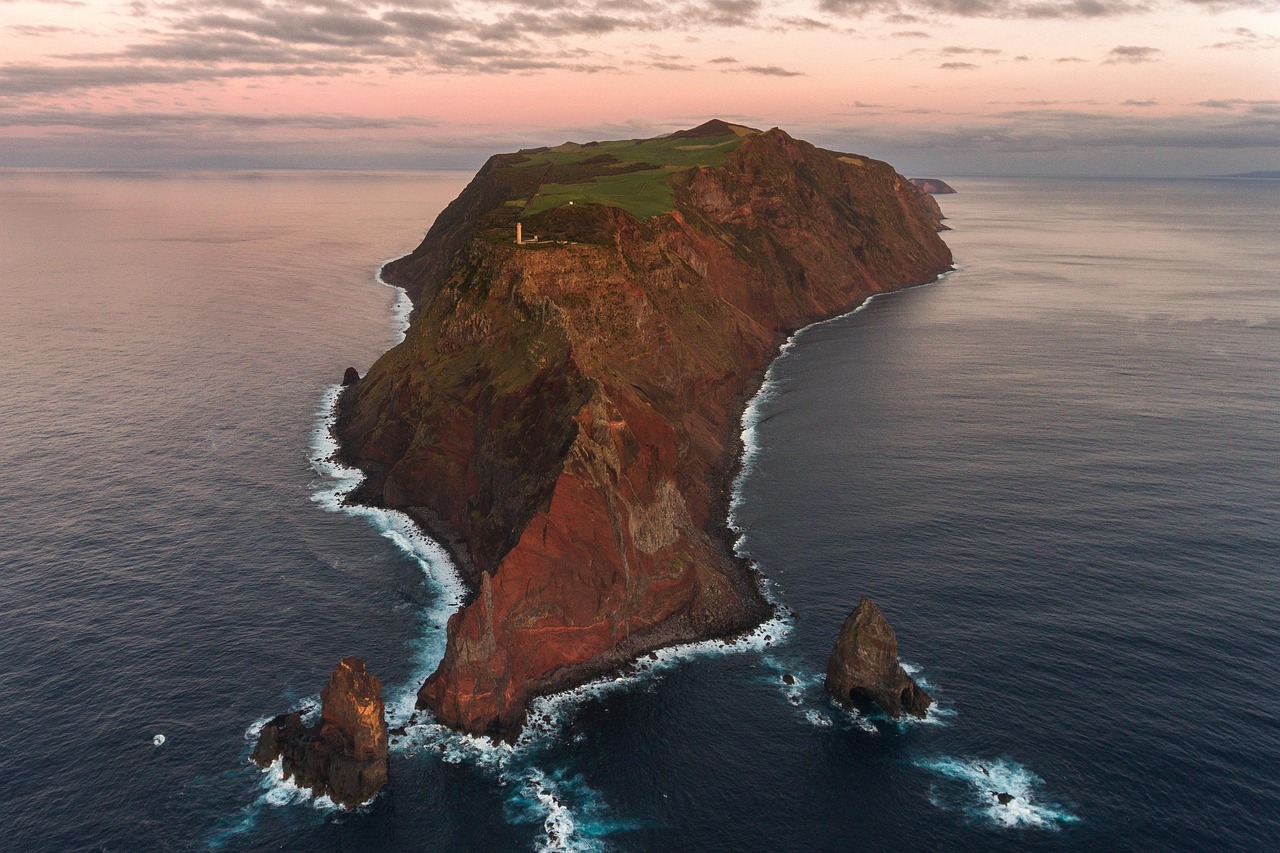
In brief
- Minimum recommended: 5 full days to explore a single island (São Miguel is the obvious choice).
- Balanced format: 7 days to combine São Miguel with a second island such as Terceira or Pico.
- Complete trip: 10 to 14 days to explore the central triangle (São Jorge / Pico / Faial) or cover four to five islands.
- Grand tour: 3 weeks to approach the whole archipelago, including Flores and Corvo in the far west.
- Time budget: systematically add half a day per inter-island air transfer.
Between the desire to see everything and the reality of an archipelago stretched over 600 kilometres of ocean, the question of how many days to spend in the Azores comes up at the very start of every itinerary. The honest answer depends on three variables: how many islands you want to visit, the pace you are after (slow contemplation or active exploration), and your tolerance for inter-island flights. This guide helps you size your trip without cramming or stretching it.
A useful reminder before we dive in: the Azores count nine volcanic islands spread across three groups (eastern, central, western). Every island hop requires a SATA Air Açores flight, occasionally a ferry for the short central-group routes. Every transfer costs time, energy and a little budget.
5 days in the Azores: the bare minimum for one island
Five full days are enough to discover São Miguel, the largest and most visited island. In five days, you have time to walk the Sete Cidades crater, to taste the cozido slowly cooked underground in the Furnas fumaroles, to bathe in the geothermal pools of Terra Nostra and to sail offshore in search of dolphins and sperm whales. Five days are also enough to settle into the Azorean rhythm: morning mist, brief showers, sun returning without warning.
Below five days the trip turns into a sprint and the landscapes of the island flatten into a sequence of viewpoints shot from the car. The Azores demand time to earn their silence.
A 4-day format remains possible for a long weekend focused on Ponta Delgada and its immediate surroundings, but you will have to give up Furnas or the northeast. Better to commit: one area, fully.
7 days in the Azores: the sweet spot
A full week is probably the most balanced format for a first trip. It supports two consistent scenarios. First: São Miguel in depth, with the luxury of proper hiking days, a scuba or freediving session, a full day in the Nordeste area and time in Ribeira Grande. Second: São Miguel plus a second island, typically Terceira for its UNESCO-listed historic centre in Angra do Heroísmo, or Pico for the volcano and the vineyards listed as World Heritage.
Over seven days, count half a day for the outbound transfer and half a day for the return, leaving five usable full days. The logistical load stays manageable. You keep the energy to live the islands rather than tick them off.
10 to 14 days: the central triangle or the grand tour
From ten days onwards the trip enters another dimension. Two options stand out.
The first is the central triangle São Jorge / Pico / Faial, connected by fast ferries (under an hour between Faial and Pico) and short flights. You discover the fajãs of São Jorge (coastal plateaus born from lava flows), the ascent of Mount Pico (2,351 m, the highest point in Portugal), and the cosmopolitan port of Horta in Faial, whose Marina is famously painted by sailors from the world over. This triangle captures the most preserved and authentic soul of the archipelago.
The second option is a grand tour of four to five islands, for example São Miguel + Terceira + Faial + Pico. This format is demanding: each island deserves more time than you end up giving it, and transfers drain energy. It suits travellers who want an overview before coming back, later, to dig deeper into a favourite island.
3 weeks: the whole archipelago
Twenty-one days are needed to include Flores and Corvo, the two islands of the western group. They are magnificent, suspended in time, but hard to reach: a single daily flight from Faial or Terceira, and weather that can cancel connections. Travellers aiming for the grand tour must build this uncertainty into their schedule. Three weeks also allow you to slow down, taste São Jorge cheeses at the producers, attend a local festival or get grounded by rain without jeopardising the whole trip.
When to add or remove days
Several factors come into play. If you travel with a family and young children, stretch your stays: changing islands every two or three days becomes exhausting. If you seek wellness and contemplation, a single island over seven days will feel more rewarding than a three-island circuit over ten. Conversely, experienced independent travellers can handle multiple islands without fatigue, provided they accept early wake-ups for inter-island flights.
Weather is another factor: heavy rain days are more frequent than on the mainland, and a tight schedule leaves little room to reshuffle. Keep a floating buffer day per week of travel.
Practical tips to structure your time
Book inter-island flights as early as possible: the Azorean resident fares do not apply to you, but seats fill up in high season. SATA flights depart in the morning or late afternoon, which shapes your transfer days.
Keep a “pivot” accommodation in Ponta Delgada (São Miguel) at the beginning and end of the trip: it simplifies your connection from Lisbon or Porto. For more remote islands, favour local guesthouses or quintas over standardised hotels — the difference in experience is substantial.
Finally, do not underestimate time behind the wheel on São Miguel: the island is 65 km long but the roads wind, and a “small tour” easily eats a full day.
Frequently asked questions
Can you visit several Azores islands in 5 days?
Technically yes, in practice no. Air transfers and logistical fatigue turn the trip into a sprint. It is more rewarding to spend 5 days on one well-chosen island than to skim three.
How many days to climb Mount Pico?
Plan at least 3 days on Pico to include the ascent (8 to 10 hours round trip), a recovery day and a weather backup slot. The climb must be done with a certified guide.
Better to go deep on one island or combine two in one trip?
For a first trip to the Azores, one island in depth gives a more intimate, less logistical experience. Two islands start to make sense from 7 days onwards, ideally with a main base and a 2-to-3-day side trip.
What is the best season to visit the Azores?
May to October offers the best balance between mild weather, cetacean watching and reasonable crowds. July and August are the driest but busiest months. Winter remains worth considering, with its singular misty atmosphere.