
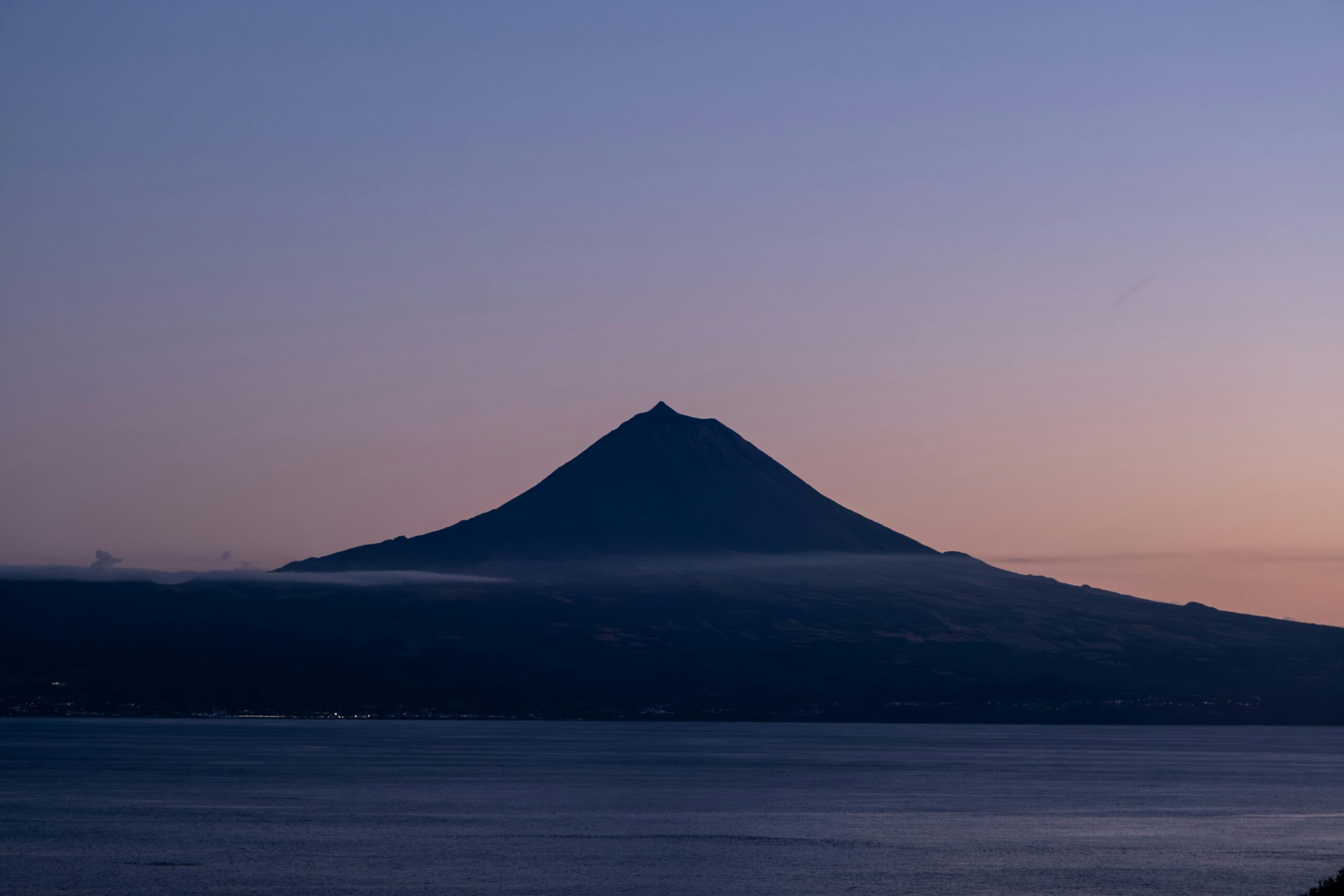
In brief
- Recognition: the viticultural landscape of Pico island, UNESCO World Heritage since 2004.
- Key grape varieties: Verdelho (historic), Arinto dos Açores, Terrantez do Pico, Frei Gigante.
- Soils: black basalt worked into currais (plots enclosed by lava walls).
- Must-visit cellars: Czar, Adega A Buraca, Cooperativa Vitivinícola, Quinta do Frei Vicente.
- Tasting budget: €10 to €25 depending on the cellar and number of wines.
At first glance, the viticultural landscape of Pico looks like a mistake. How could you grow vines on a field of black lava battered by Atlantic spray? The answer lies in one Portuguese word: currais. These tiny plots enclosed by dry basalt walls snake for kilometres along the coast of Lajido and Santa Luzia. Every vine is tucked into its pocket of soil, sheltered from wind and salt, soaking up the heat of the black stone.
This patient craft, passed down since the 15th century, earned Pico its UNESCO World Heritage status in 2004. This guide takes you through this unique terroir, the grape varieties born from it, and the cellars worth a stop.
A story born with the settlers
Viticulture on Pico dates back to the 15th century, brought by the first Portuguese settlers. For three centuries, Pico Verdelho was a prestigious export wine, prized in European courts — legend has it that it featured at the Russian tsars’ table, hence the name “Vinho dos Czares” or “wine of the Czars.” A local cellar, Czar, still honours this lineage on its labels.
The oidium and phylloxera crisis in the 19th century ravaged the vineyard. The island took over a century to regain its volumes and reputation. Today, fewer than 2,000 hectares are in production, spread across a few dozen producers — small family estates and cooperatives.
Currais: a unique agricultural landscape
The currais are tiny square or rectangular plots, typically 4 to 8 metres wide, enclosed by dry lava walls. This agricultural architecture was born of necessity: basalt soil stores solar heat and releases it to the vines, while the walls block salt-laden wind. Without currais, the vines would not survive the ocean.
Walking the vineyards of the Lajido de Santa Luzia area is an experience in itself. A marked trail (PR5) crosses the UNESCO vineyard with interpretation panels and sea viewpoints. Count 3 to 4 hours for a full 7-kilometre loop, accessible to all.
The Museu do Vinho in Madalena, housed in a former 19th-century farm, perfectly rounds out the visit: traditional tools, documentation on the vineyard’s evolution, tasting at the end.
The grape varieties to know
Verdelho is the historic variety, giving dry straw-coloured white wines with iodine and saline notes typical of maritime vineyards. Arinto dos Açores yields crisp, fresh, mineral whites — perfect with local seafood. Terrantez do Pico is a rare variety, long disappeared then replanted, producing more complex, honeyed wines with interesting ageing potential.
On the red side, Frei Gigante and Saborinho produce lighter wines better suited to island cuisine than long cellaring. Some cellars also make Lajido (sweet fortified wines in the Madeira style) and espumantes (traditional method sparkling wines), excellent as aperitifs.
The must-visit cellars
The Czar cellar, in Lajido, is the most celebrated for its historical positioning and the quality of its cuvées. Guided visit with tasting of 4 to 6 wines from €20. Booking recommended.
The Cooperativa Vitivinícola da Ilha do Pico, in Madalena, is the island’s largest producer by volume. Its tastings are approachable (€8 to €12) and offer a panorama of production from Pico: Verdelho, Arinto, Lajido, espumante. A good entry point for a first contact.
A Buraca, more confidential, is a small family adega practicing near-natural winemaking. Convivial tasting at the producer’s table, by appointment. One of the most authentic experiences on Pico.
Finally, Quinta do Frei Vicente combines vineyard and table d’hôtes. You can have lunch on site after the tasting — simple, excellent Azorean cooking paired with house wines.
A wine day on Pico
Morning: walk the PR5 trail in Lajido (2 hours). Lunch: at Quinta do Frei Vicente or in a Madalena tavern (bacalhau à brás, grilled limpets, chouriço). Afternoon: visit the Wine Museum then taste at the Cooperativa or Czar. Late afternoon: coffee facing the Faial channel with a glass of Lajido.
If you have 2 days, the second one revolves around the volcano hike (with a guide), followed by a recovery bath in the Cachorro natural pools and a grilled fish dinner in Lajes do Pico.
Practical tips
Most cellars open 10 am to 6 pm, closed on Sundays and sometimes Mondays. Always book tastings — teams are small and attention is better if they expect you. Transport is needed: the vineyards are spread out and there is almost no public transport. A private driver is the best option if you want to taste without constraint.
Buy a few bottles on site: Pico wines are lightly distributed outside Portugal and cellar-door prices are very reasonable (€8 to €25 for high-quality wines).
Frequently asked questions
When to visit Pico vineyards?
April to October for the vines in leaf. September and October match the harvest, the liveliest moment. Winter remains visitable but the landscape is less photogenic.
Are Pico wines exported?
Sparingly outside Portugal. Some major French and American wine retailers carry a few cuvées. The best way to taste these wines remains buying them on site.
Can you visit the vineyards without speaking Portuguese?
Yes, the larger cellars (Czar, Cooperativa, Quinta do Frei Vicente) offer English visits. Smaller adegas warmly welcome French and English speakers, sometimes with a shared small lexicon.
How many days on Pico for the vineyards?
One day is enough for an introduction. Two days let you combine a walk in the currais, two or three cellar visits and a relaxed wine-paired dinner.